
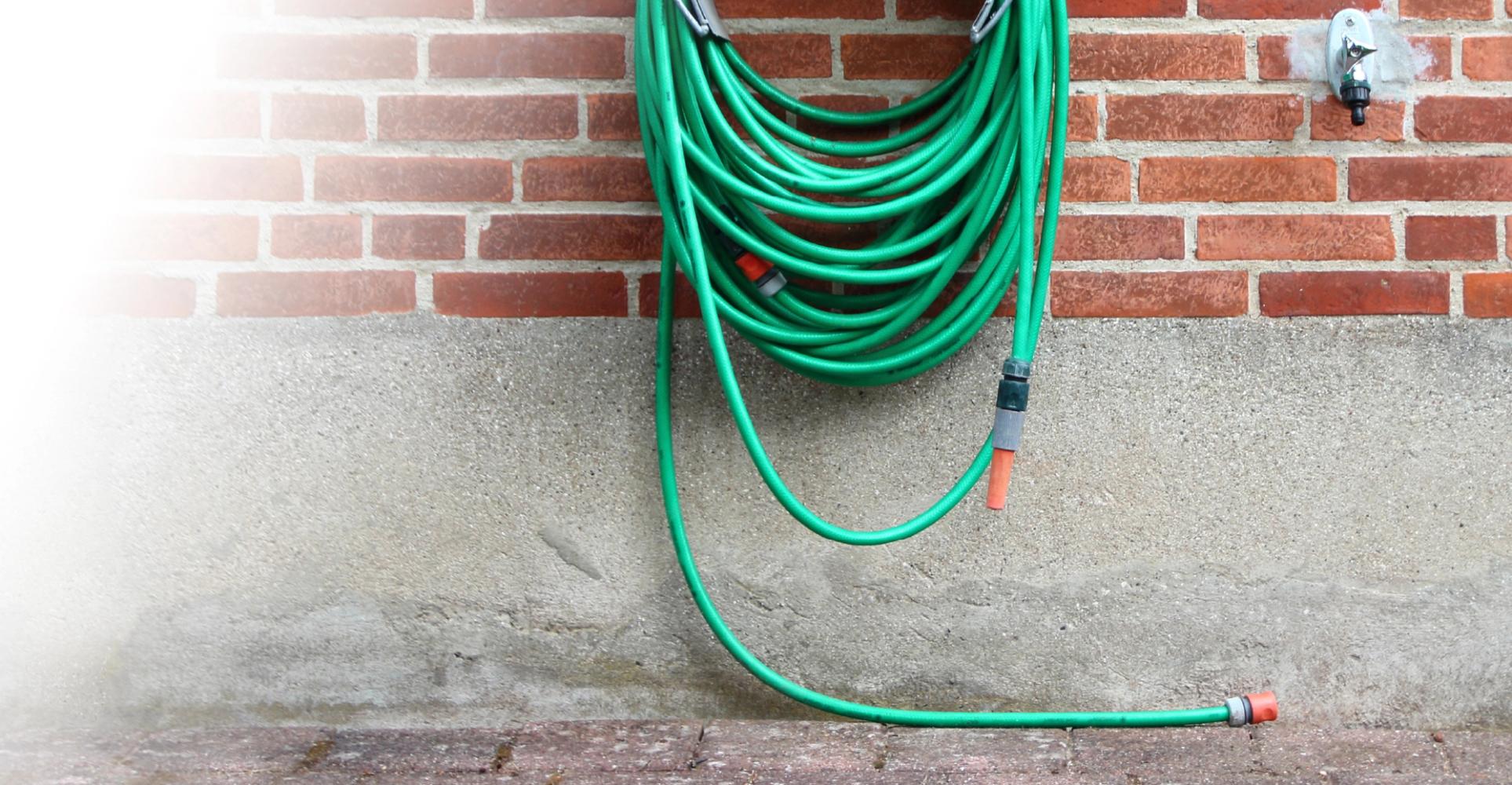
With immediate effect, we have lifted all hosepipe restrictions across Kent and Sussex.
Thank you for following the restrictions.
We appreciate that they impacted the way you use water and how you carry out your daily tasks.


Why are we lifting them now?
We’re able to lift the restrictions now because the levels in our reservoirs and our underground water sources are back to normal, following the rain that we’ve had over winter.
What does this mean for you?
While we’re lifting the restrictions, we still need to work together to use water wisely as a community.
We know weather has a massive impact on water resources and long range forecasts are uncertain for what the weather will be like later in the year.
By making simple changes, we can help protect our water resources, meet demand across spring and summer this year and you may be able to save some money too.
Why were the restrictions in place for so long?
Despite the recent wet weather, last year England experienced the driest spring since 1893, and the hottest summer on record, with four separate heatwaves. Our water resources felt the impact of this.
Of our water resources, surface reservoirs were first to be impacted and then gradually groundwater levels became low. This is what usually happens when droughts develop.
Then when the rain returns it’s the same to get back to normal. Reservoirs are likely to fill more quickly from higher river flows, while groundwater takes much longer to recharge as water needs to filter deep down into the aquifer (underground layers of rock that hold water).
Knowing this, we took a cautious approach as set out in our Drought Plan and closely monitored all water resources to make sure they recovered. This is why we are only able to remove restrictions now.
What simple changes can you make?
Don’t let water run away
- Waiting for tap water to heat up - don’t let water run away, collect it to reuse elsewhere.
- Washing up, brushing your teeth or cleaning generally - don’t let water run away, turn the tap off.
- Lathering up in the shower - don’t let water run away, turn the shower off when you’re not under the water.
Using only what you really need
- Showering - we only need to wash and rinse our hair and bodies, sticking to 4 minutes running water time could save £135 a year on combined bills.
- Kettles - only fill the kettle with the water you need to help reduce water and energy use.
- Washing machines and dishwashers - put them on only when you have a full load and make sure to use ECO-mode.
Fit water-saving devices
- A tap aerator - reduces the amount of water you use while maintaining pressure.
- Showerheads - water efficient ones push air and water through to reduce the amount of water but maintain pressure.
- LeakyLoo™ strips - help detect if your toilet is secretly wasting £175 a year.
- Toilets - if you have a lever flush and can access your cistern, insert a bag to reduce the flow, saving the same as a 2 litre bottle of pop on every flush.
What are we doing to save water?
Tackling leaks
- We invest nearly £40 million a year on managing and reducing leaks.
- We've increased the number of teams we have out finding and fixing leaks and technicians proactively searching for leaks on the network.
- Over the last year we’ve repaired over 18,000 leaks on our network - an increase of 12 per cent on the three-year average - and repaired over 6,000 customer-side leaks.
- We’ve invested in new leak detection technology and systems to improve the visibility of our pipeline network.
- We’ve digitised processes to increase efficiency and reduce the need for manual work.
Rolling out smart meter technology
From January 2026, we began upgrading meters across our network in preparation for smart meter technology. This will take time to roll out everywhere, and you will be contacted when we’re coming to your area.
Introducing smart meter technology will help to make sure there is enough water for everyone by making it easier for you to measure your water use, detect leaks earlier and save water without you even thinking about it.
Working with partners
- We work with farmers to improve the quality and quantity of water at its source, for example by planting cover crops or installing rainwater harvesting systems.
- We have a long-running partnership with Save Water Save Money to offer devices to all customers to help save water. Some are listed above, but you can order many more here(opens in a new tab).
- We are working with a specialist company to offer schools in our area a free water-saving visit where they’ll check for leaks and repair where possible, fit water-saving devices and provide a report to help schools be more water efficient.
FAQs
Current situation
The Temporary Use Ban (TUB) which has been in force since 18 July 2025, in our Kent and Sussex supply area and including the extra restrictions applied to customers in Sussex from 17 October 2025, was removed at 09:00 on 5 February 2026. There will now be no restrictions on the use of hosepipes from this date and time.
On 3 December 2025 our application for a Drought Order for the River Ouse was granted. This superseded the Drought Permit that was granted on 22 September 2025.
The impact of the Drought Order on the River Ouse was the same as the Drought Permit. This means the only benefit we saw was the reduction in the flow of water from Ardingly Reservoir into the Shell Brook (the stream) that meets the River Ouse. Environmentally the impacts would have been minimal, but we continue to monitor closely.
Billing, compensation and costs
No. If you are a metered customer, you are charged for your usage based on how much you have used. If you would have used a hosepipe during this period normally then you would have been paying for that usage as an additional volumetric charge which you will not have used.
If you are an unmetered customer, you are most likely to be a lower user of water as we cannot install a meter at your property. You are charged on an assessed basis of average use rather than your individual use. Therefore, no adjustments will be made to your bills.
Your standing charge covers costs such as meter reading and billing are the same no matter how much water you use or how you use the water that we supply to you.
No. While we really appreciate you have taken steps to conserve water through water-saving devices, the south east is a particularly water-stressed area and so we all need to keep doing our bit to conserve water where we can.
If you are a metered customer, continuing to use your water butt will also help to keep you paying a lower bill.
You can also take advantage of our range of free water-saving devices and subsidised water butts here(opens in a new tab).
We know that any increase in costs can be difficult, and we never take the decision lightly. However, to make sure we continue to invest in making our drinking water supply more reliable by reducing leaks and improving our network, we need to increase investment and therefore prices.
Our regulator Ofwat decides the level of investment we can make in our network, and the total amount we can charge our customers over a five year period, so prices are fair for customers.
We have asked Ofwat to refer its decision on our latest Business Plan to the Competition and Markets Authority (CMA) for a new, independent review in the best interest of customers. We are still awaiting the outcome of this referral and therefore the charges for 2026/27 do not reflect the final decision of the CMA.
We know some of our customers have difficulty paying their water bills, so we are here to help where we can.
We have a range of tariffs available including our Social Tariff which applies a tiered discount based on the household income. You can find out more about all the help available here.
Background and enforcement
Yes, the restrictions being in place, along with the recent heavy rainfall that we’ve experienced over the last few months, allowed demand to reduce during last summer and now all water resources: surface reservoirs and groundwater, to recharge to normal levels.
There were a number of factors that made applying restrictions necessary.
- Demand for water - Last year was exceptionally dry, with England experiencing its driest spring since 1893 and the hottest summer on record, with four separate heatwaves. This resulted in record demands for water, reaching 680 million litres of water on 30 June 2025. On some days, we were producing in the region of an extra 120 million litres of water a day - equivalent to supplying four towns the size of Maidstone or Eastbourne – the demand for water has broken all previous records, including during the Covid lockdown heatwave periods.
- Lack of rainfall in Sussex - The River Ouse catchment in Sussex has only experienced two years (1976 and 1893) with lower spring and early summer rainfall in its 155 year rainfall record. Consequently the River Ouse, where we take water from in Sussex for supply and to refill our Ardingly Reservoir, ran low.
- Lack of rainfall in Kent - The county and a broader area of southeastern England was exceptionally dry, with many areas receiving well below the average rainfall.
This combination of heat and sunshine, coupled with very low rainfall, created challenging conditions across much of the country for agriculture and water resources.
At the start of 2025, our storage of raw (untreated) water was good. However, demand from May onwards meant our raw water levels dropped faster and earlier than usual.
Despite asking for voluntary restraint, demand for water remained high. We had to take action to ensure that there was drinking water available for all, including for our vulnerable customers and for essential uses.
The combination of factors experienced last year were extraordinary, and in line with those experienced in Summer 2023.
We communicated directly with our customers in affected areas to ask for voluntary restraint, but despite this, saw record amounts of treated water being demanded across our network.
The average daily demand figure for June and July is 575 million litres of water a day (ML/D) - in June this peaked at 680 ML/D and consistently stayed within our red level alert level during the summer months.
We investigated all reports of misuse. However, we did not get to the stage in our enforcement policy(opens in a new tab) where we needed to take legal action against any particular customer.
We followed our enforcement policy(opens in a new tab), which was published on our website while restrictions were in place.
Future plans and investment
We monitor our raw water resources and storage of raw (untreated water) closely throughout the year. The combination of factors experienced last year were extraordinary, and in line with those experienced in Summer 2023. We are not planning to implement a hosepipe ban this summer but we continue to review and monitor our sources, storage and weather closely.
A full list of any exemptions will be published at the time if we need to implement restrictions again in the future.
Our Business Plan sets out how we will be investing in our infrastructure. It’s an ambitious and robust plan.
We have identified that there is a need to make our infrastructure more resilient. That’s why we’re investing £2.1 billion over the next five years to improve how we deliver drinking water and to make sure you can rely on a safe, secure water supply today and for years to come. This includes developing new resources, upgrading water treatment works, and laying new water mains to reduce the risk of bursts.
Unfortunately infrastructure takes time to build, but we know what we need to do and we're committed to delivering on it.
Examples of major investment includes:
- Investing £39 million in a state-of-the-art treatment works near Aylesford to make supplies of drinking water more reliable. Up and running from spring 2026, it’ll treat an extra 20 million litres of water a day for the Ashford and Maidstone areas - enough to fill 250,000 bathtubs.
- A new reservoir we’re proposing near Canterbury. Today’s environmental needs make it vital to plan now. We’re currently designing it and aim to apply for planning permission in 2028. Once built, Broad Oak Water will secure a reliable and sustainable water supply while creating new wildlife habitats and community benefits.
- Investing £9 million in East Grinstead to replace 9 kilometres of pipe and laying approximately 3 kilometres of new pipeline to increase the amount of water flowing into the area.
We are committed to reducing the amount of water lost to leaks, and we aim to reduce leakage by 50 per cent by 2050.
To do this, we invest £40 million annually in leak management and have increased the number of teams we have out finding and fixing leaks and technicians proactively searching for leaks on the network.
We’re investing £2.1 billion over the next five years to improve how we deliver drinking water and to make sure you can rely on a safe, secure water supply today and for years to come. This includes developing new resources, upgrading water treatment works, and laying new water mains to reduce the risk of bursts.